
Matter was supposed to fix the smart home. Two years on, it hasn't.
Why the smart home still isn’t smart, and how Matter’s promise of seamless connectivity fell short

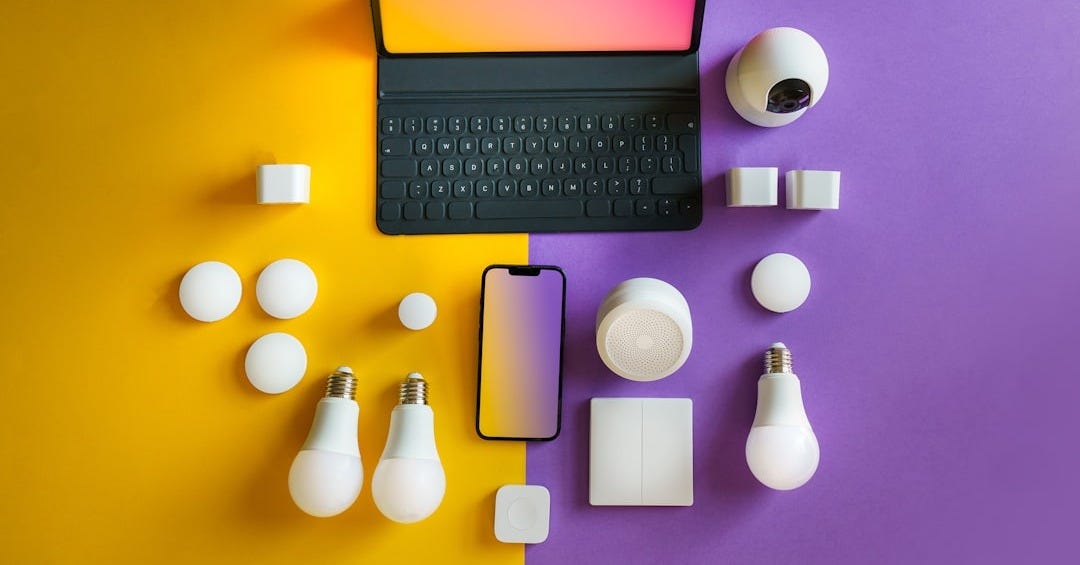
Setting up a smart bulb in 2026 somehow still means scanning a QR code, opening the app, and blocking out 10 minutes for a process that should take two. Verifying device. Verifying device. Factory reset, try again. Even with the new Matter badge, which was meant to make this all seamless, the reality hasn’t changed much.
Matter’s launch at the end of 2022 came with a simple promise: bulbs, plugs, sensors and cameras would all work together, no matter if your home ran on Amazon Echo, Apple HomePod, Google speakers, or a mix. The idea was to end the dead ends and the frustration of buying a sensor that only talks to one app. A smart home that felt like infrastructure, rather than a costly experiment or wasteful hobby.
Three years later, the marketing hasn’t changed. The reality for most people hasn’t either.
The standard itself is solid. Over the last year, the Matter committee has added support for security cameras, video doorbells, smart blinds, garage doors, even soil-moisture sensors. The list of devices you can, in theory, just plug in keeps growing. The engineering is there. It’s the layers above it that keep letting people down.
Philips Hue, probably the most recognisable name, updated its main hub instead of each bulb. That means every command from an Apple TV or Google speaker goes through the hub first. In practice, that’s the slight lag or the odd moment when nothing happens after you ask Siri to turn off the lights. The better features, like sunrise routines or colour scenes, are still locked inside the Hue app, out of reach for Matter.
Eve took a different approach. Its plugs and sensors connect straight to Apple Home, Google Home or Alexa, with no hub in the middle. That’s what most people say they want. But the useful data, like energy readings, don’t come with it. If you want to know what your dishwasher is using, you still have to open the Eve app.
Aqara’s motion sensors will tell any platform when someone walks in, but the feature that makes them worth the price, drawing zones so the sofa doesn’t trigger anything, only works in Aqara’s app. Tapo, the budget choice, often ships with software so outdated that the plug won’t talk to anything except Tapo during setup. You add it there, let it update, then start over to get it into your actual smart home. The ‘works with everything’ sticker is carrying a lot of weight.
Brands are inconsistent, but the platforms are openly at odds. Matter sets the rules for how devices talk, but what Apple, Google and Amazon do with that information is up to them, and they rarely agree.
Apple Home is the strictest. A sensor that measures temperature, humidity and motion becomes three separate icons, cluttering the room view. If the device updates itself, new features stay hidden until you remove and re-add it. Google Home hides anything beyond the basics — a thermostat shows its main dial, but fan speed or modes are buried, and automations break if the Nest hub disconnects.
Alexa is unpredictable. It mistakes a four-button wall switch for four dimmable lights, and keeps ‘finding’ devices that are already set up, sending repeated notifications. None of this is a Matter bug. It’s all in the interface choices.
Spend any time on Reddit’s smart home boards and two complaints dominate. The first is setup. Adding a Matter device means your phone shakes hands with it over Bluetooth and hands over the Wi-Fi password, and that handshake fails often enough that “verifying device” has become a running joke. Some people never get past it at all.
The second is the headline feature from the launch: the same plug could work across multiple platforms, so parents’ iPhones and kids’ Echos could both control it. In practice, adding a second platform often knocks the first offline. The phrase that comes up most is ‘I gave up.’ Most people just go back to one app.
Both issues come back to the invisible network underneath. Apple, Google and Amazon each sell hubs that are supposed to form a single mesh for low-power devices like sensors and locks. In reality, each company runs its own version, so a sensor moved between rooms can hit a boundary and drop offline. The ‘No Response’ message in Apple Home, the one that’s hard to explain, is usually this.
The standard itself is genuinely good — the engineering is solid, and the list of supported devices keeps growing. What has gone wrong isn’t a failed protocol. It’s what happens when the protocol works, but the brands, the apps, and the reality of home Wi-Fi all keep pulling in their own direction.
So most of us are still standing there, phone in hand, waiting for a device to verify for the third time. The badge on the box says the bulbs will work together. They can. Whether they actually do so when you need them to is still uncertain. That’s not something the sticker can help with.
I’m available for freelance commissions and content strategy projects in tech, commerce, entertainment, and digital publishing. Get in touch at carolinepreece89@gmail.com.