
Your cat's litter tray is becoming a health monitor – progress, or surveillance you didn't ask for?
Worth It? — what the pet-tech industry has learned about how much we'll pay to stop worrying.


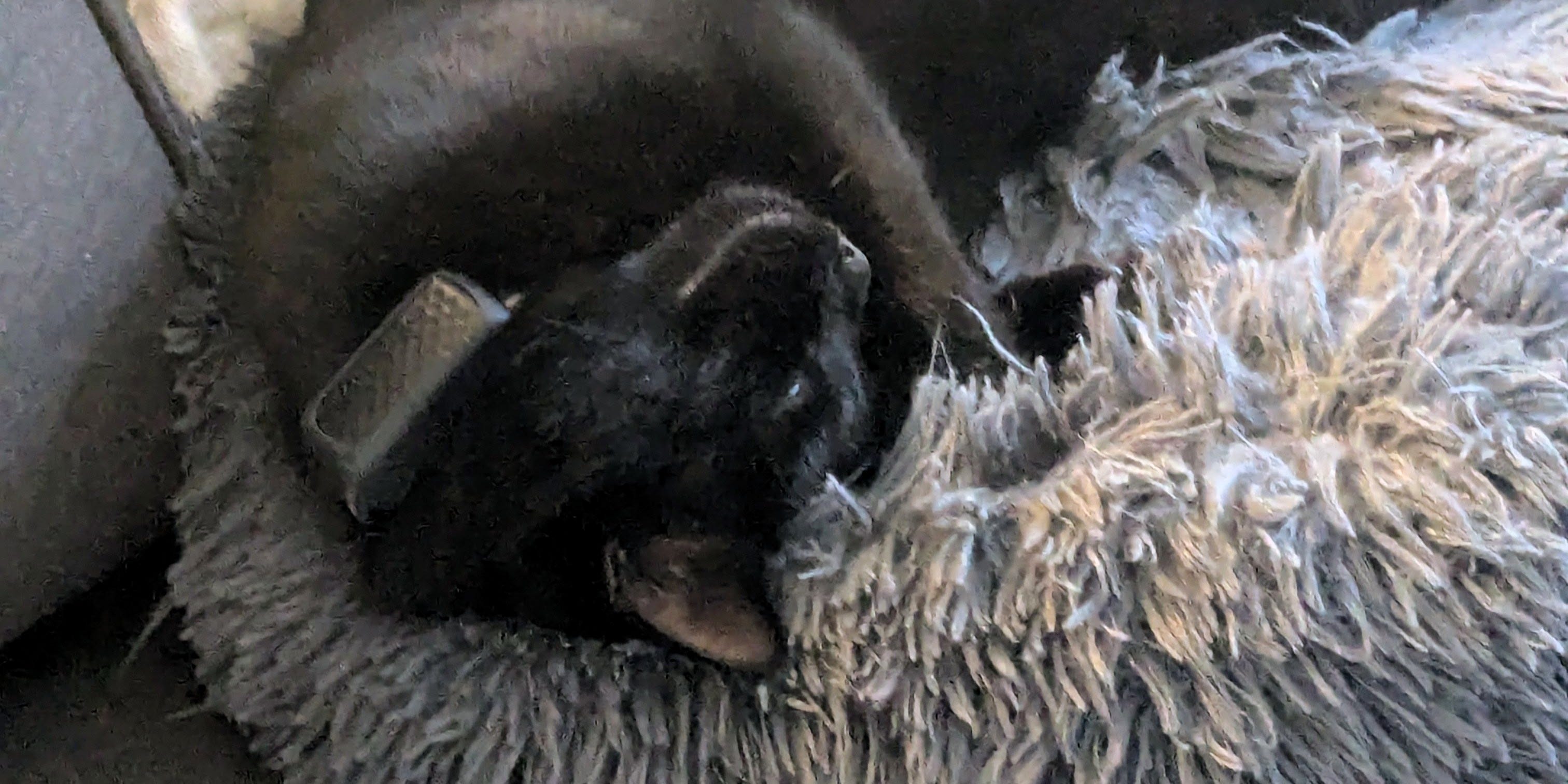
I have three security cameras in a one-bedroom flat in Ipswich, and not one of them points at the front door. They’re review units mostly, gathered over the years I’ve spent testing smart-home kit, and they’ve drifted into a single purpose: finding a black cat who can fold himself into a dark cushion and sleep there, undetected, for most of an afternoon.
His name is Jet, he’s my first cat, and because he’s indoor-outdoor and treats the neighbours’ gardens as his bathroom, I’ve never had a reason to buy a smart litter tray. What I do own, and what I genuinely couldn’t give up, is the Tractive GPS collar around his neck.
The collar itself is cheap; the subscription runs somewhere between £80-£90 a year, and I pay it without thinking, because the alternative is standing at a rain-speckled window at midnight, wondering whether he’s shut in the shed next door. Love makes us very cooperative consumers. The pet-tech industry has worked that out and has been moving the goalposts ever since.
When I bought the Tractive, it answered one question: where is he? Over the past year of software updates, though, it’s stopped being content with coordinates. The app now hands me daily Wellness Scores, sleep-disruption alerts and an estimate of how many calories he’s burned chasing things in the garden I’ll never see (birds, I assume, and the enormous rat that sometimes materialises on the patio).
None of it is information I asked for. All of it nudges a situational safety device a little closer to being yet another health dashboard I’m meant to keep checking twice a day.
If your cat is indoors, the same shift is happening via the litter box. The latest smart models, like the Whisker Litter-Robot 4 at about £699 or the PETKIT Purobot Max Pro 2 at £470, have left behind the old infrared sensors. Now they use load cells to weigh the cat to the gram, cameras set low to the ground, and computer vision to measure exactly what gets left behind.
Whisker’s WasteID will tell urine from faeces (nice); both systems claim to recognise individual cats by face in a multi-cat house, where weight alone tends to fall apart once two animals are a similar size.
It would be easy to be sniffy about all this, and I don’t want to be, because the medical argument is genuinely strong. Cats are very good at hiding illness; by the time one is visibly in pain or off its food, conditions like feline lower urinary tract disease, a blockage or early kidney decline are often well advanced.
A box that tracks weight, visit frequency and time spent inside can spot a problem days before it turns into a late-night trip to the emergency vet. If you’re looking after an older cat with kidney issues, I’d take that early warning, and the £699 would feel like a small part of the deal.
The difficulty comes when that medical baseline meets the usual smart-home business model.
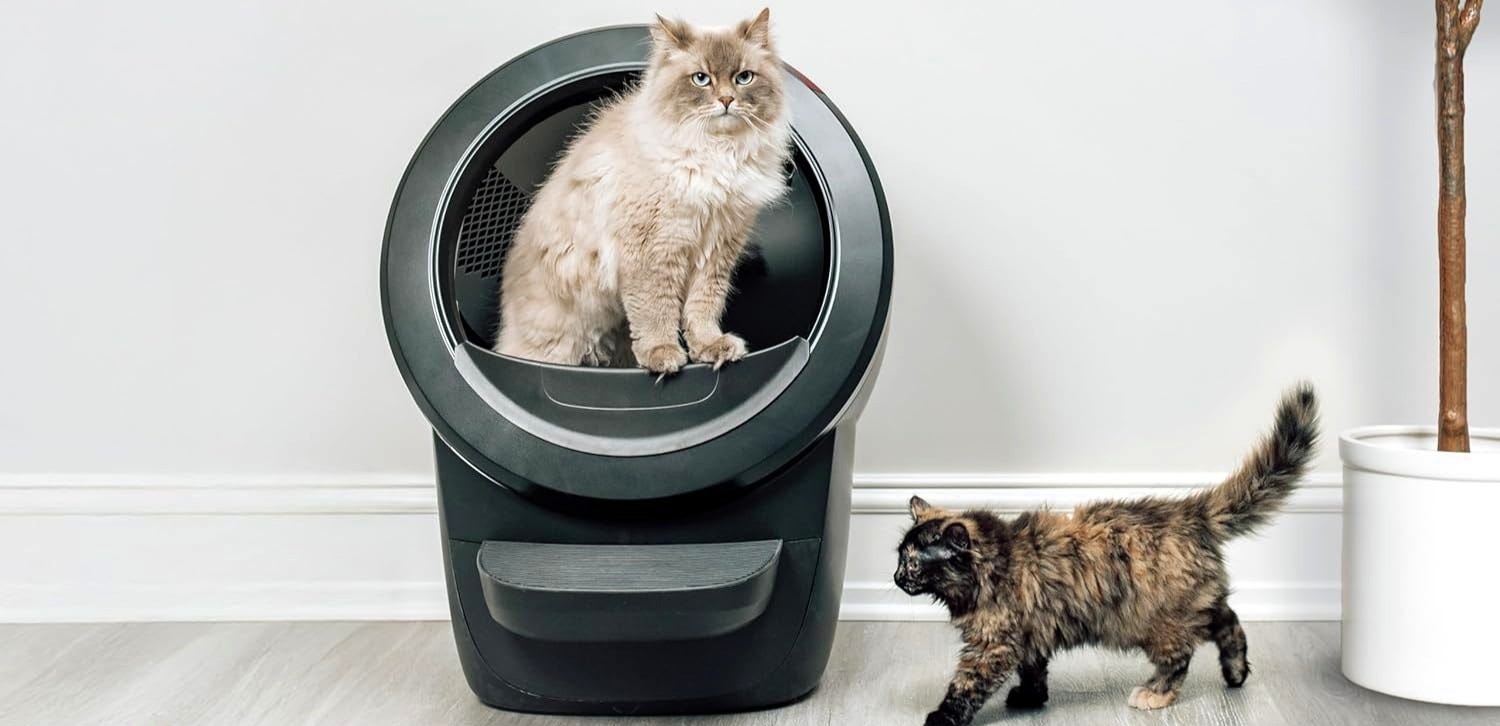
Whisker now charges roughly £8 per month, or £80 per year, for Whisker+ on its newer models. Skip it, and you’re capped at about five minutes of live viewing a day and two days of history. The long-term weight charts, the behaviour logs and the 2 years of trend data that the box has been collecting all require a subscription. You’ve bought a £699 appliance, and the thing it was sold to do, spot a slow drift in your cat’s health, is the thing that is held back unless you keep paying.
The question is no longer whether an automated scoop is worth the money (which you can answer), but whether cancelling to save £8 a month makes you a bad owner. It’s a tax on guilt, and it works. Cancel a streaming service, and you lose a few shows. Cancel this, and you start to wonder if you ever cared about your cat’s health in the first place.
There’s also a less glamorous problem: where do these things live? A video doorbell on the porch or a smart speaker in the kitchen is a compromise most of us have made with little trouble. A litter box, by necessity, often sits in the bathroom, the utility cupboard or the bedroom, the few rooms left where people still expect some privacy.
To keep an eye on a cat’s urinary health, you’ve put an internet-connected camera, usually with a microphone, at ankle height next to your own toilet, feeding a server whose security parameters you’ll never truly know.
On Reddit, a steady trickle of owners are talking about taking premium boxes off the network entirely, or refusing firmware updates, to stop exactly that. They paid the better part of a grand for the hardware and decided the surveillance wasn’t worth it. Hard to argue, really.
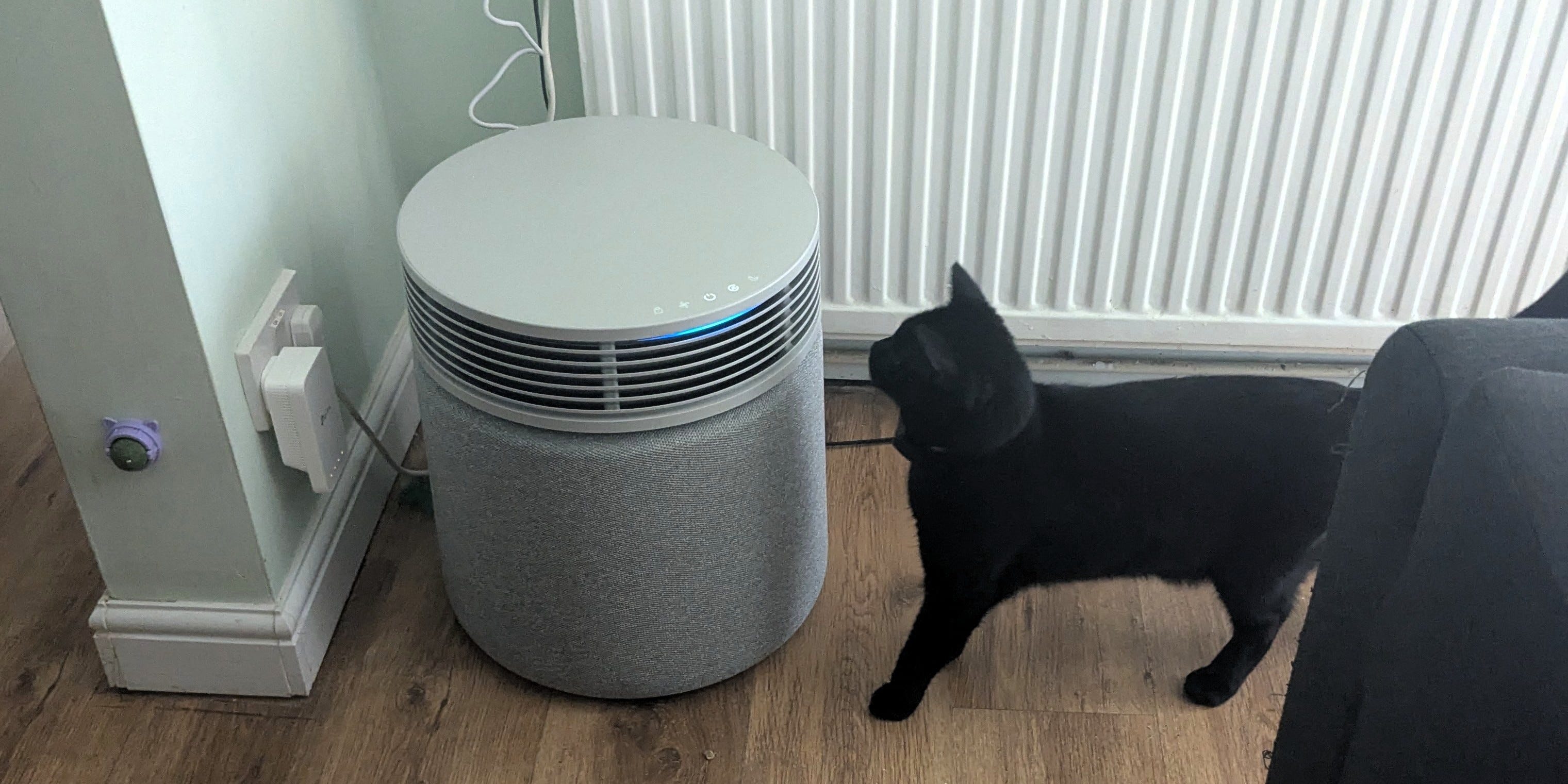
The promised peace of mind can quickly turn. Put the box on an uneven tile and the weight reading shifts; in a two-cat house, a misread visit triggers a generic alert. For an anxious owner, there’s perhaps nothing worse than a stream of medical data you can’t really interpret. I’ve watched a barely-moving spot on the map at 2am, not sure if it’s time to worry or if the cat’s just lost his collar (always use a breakaway!). I’m up at that time more often than I’d like, so the app and I have that in common. Living with an animal can mean trading real uncertainty for constant paranoia.
Most evenings Jet comes back from his rounds, jumps up on my chest, and spends twenty minutes washing his paws, completely indifferent to the cellular radio on his throat or the cameras that spent the afternoon hunting for him. He runs on instinct and has no opinion about his own longevity.
But the industry has noticed something: cats don’t care about data, but their owners care about cats long past the point where it makes financial sense. For some animals and some conditions, early warning is a genuine improvement, and I wouldn’t ask anyone to give that up. But as more of these devices find a place in the house, we’re being asked, one payment at a time, how much of the home we want to wire up to answer a question we once never even considered.

I’m a freelance journalist and content strategist. Available for commissions and content-strategy projects across smart home, homes, lifestyle, consumer tech, B2B and entertainment — the useful version, not the brochure one. carolinepreece89@gmail.com